
공개 날짜:
| 업데이트 날짜:
How to Get an Online Casino License in 2026: US, Canada & Offshore Guide

Key Insights
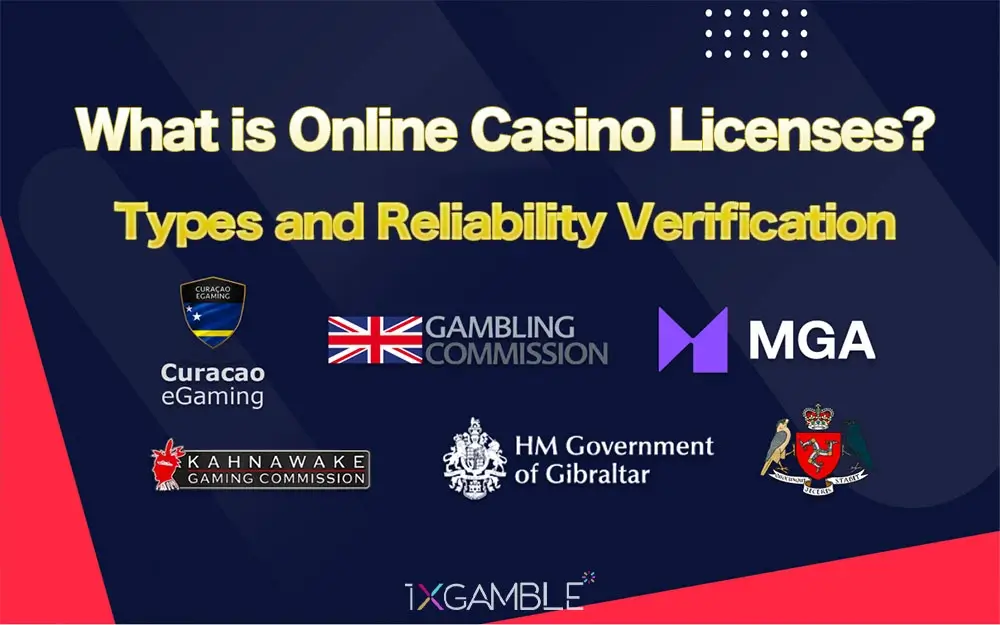
- Where licenses are available: Seven US states currently offer online casino licenses (NJ, PA, MI, DE, CT, WV, RI), Ontario leads Canada’s private-operator model, and offshore options include Malta, Curaçao, and Gibraltar.
- Timeline reality: US state licenses take 12–24 months. Ontario averages 6-9 months. Offshore jurisdictions like Malta require 4–6 months, while Curaçao’s new LOK regime processes applications in roughly 3 months.
- Budget expectations: Entry costs range from $50,000–$100,000 for lean offshore launches to $10+ million for US state licenses when factoring in application fees, platform costs, and compliance infrastructure.
- Compliance is ongoing: Obtaining a license is just the starting line. Annual audits, responsible gaming enforcement, AML reporting, and technical certifications represent continuous obligations that determine long-term viability.
I’ve spent the better part of 14 years navigating the iGaming licensing maze across North America, starting with the early Atlantic City online poker launches and more recently helping operators structure their entries into Michigan and Ontario. If there’s one lesson I’ve learned, it’s this: the online casino license you choose shapes everything from your payment processing options to your exit valuation.
This guide breaks down the complete licensing landscape across US states, Canadian provinces, and major offshore jurisdictions. Whether you’re a startup founder exploring your first market or an established operator planning multi-jurisdictional expansion, I’ll walk you through the requirements, costs, timelines, and pitfalls I’ve witnessed firsthand. For a broader overview of the online casino industry, see our complete guide to online casinos. Let’s get into it..
⚠️ Disclaimer
This guide is for informational purposes only and does not constitute legal, financial, or tax advice. Online gambling license requirements change frequently. Always consult qualified gaming counsel and your local regulator before making licensing decisions.
Online Casino License Basics – What It Is & Who Needs One

This section explains what an online casino license actually is, who needs one on the B2C and B2B side, and how licensed, unlicensed, and sweepstakes models differ in practice.
What an Online Casino License Is & Why It Matters
An online casino license is a legal authorization granted by a regulatory body that permits you to offer real-money gambling services to players within a specific jurisdiction. It’s not merely a piece of paper. The license establishes your legal right to operate, defines your tax obligations, determines which payment processors will work with you, and shapes your relationships with game providers.
From a player protection standpoint, licensed operators must adhere to standards covering fair game outcomes, segregated player funds, responsible gaming tools, and dispute resolution mechanisms. These requirements exist because gambling involves real financial risk, and regulators serve as the intermediary ensuring operators don’t exploit that asymmetry.
For operators, the license is also a competitive asset. Top-tier game developers like Evolution, NetEnt, and Playtech refuse to supply unlicensed sites. Major payment processors won’t touch you. And if you ever want to sell your business or attract institutional investment, buyers conduct licensing due diligence as their first filter.
Who Needs an Online Casino License?
The licensing requirement extends beyond the obvious casino operator. Three categories of businesses typically require authorization:
- B2C Operators are the consumer-facing brands running the casino platform, marketing to players, and processing deposits and withdrawals. This is the primary license category in every jurisdiction.
- B2B Suppliers include platform providers, game studios, payment gateway operators, and affiliate networks. Malta, Ontario, and increasingly Curaçao require these entities to hold separate supplier licenses or registrations.
- White-Label Partners operate under another company’s license, which reduces upfront costs but limits operational control and brand equity. I’ve seen operators outgrow white-label arrangements within 18 months when they realize the margin compression isn’t sustainable.
Licensed vs Unlicensed vs Sweepstakes Models
The distinction between licensed, unlicensed, and sweepstakes casinos creates significant confusion for both players and new market entrants.
Licensed operators hold valid authorizations from recognized regulators and accept players only from jurisdictions where they’re permitted. They submit to audits, maintain segregated funds, and face real consequences for violations.
Unlicensed operators target players in jurisdictions where they hold no authorization. Some operate from jurisdictions with minimal oversight, while others simply ignore regulatory requirements entirely. Players at these sites have no recourse if disputes arise.
Sweepstakes casinos represent a legal grey area. They operate under US sweepstakes law, offering “free-to-play” games with optional virtual currency purchases. Players can redeem winnings for cash prizes. Operators like Chumba Casino and LuckyLand Slots have built substantial user bases in states without legal online casinos using this model. Our social casino guide explains how these platforms differ from licensed real-money operations.
⚠️ Disclaimer
Operating without a license in regulated jurisdictions carries severe consequences. State attorneys general can pursue civil and criminal penalties, payment processors will blacklist you, and game providers will terminate supply agreements. I’ve personally seen promising startups collapse overnight when enforcement actions hit.

Here’s something interesting I’ve observed lately. Several grey-market operators who spent years avoiding regulation are now actively pursuing licenses in Ontario and select US states. In practice, this usually means they’ve realized that legitimate licensing opens doors to banking relationships and acquisition opportunities that offshore operations simply can’t access.
Charlie’s Observation
How to Get an Online Casino License (8-Step Guide)
In this part, I’ll walk through the eight key steps I use when helping operators secure online casino licenses, from choosing jurisdictions and structuring UBOs to testing, launch, and ongoing compliance.

Step 1 – Define Target Markets & Jurisdiction
Your jurisdiction choice determines everything downstream: capital requirements, tax rates, permitted markets, and timeline. Start by answering three questions. First, where do your target players reside? Second, what’s your risk tolerance for regulatory scrutiny? Third, what’s your realistic budget?
If you’re targeting US players, you need state-level licenses. There’s no federal alternative. For Canadian players outside Ontario, you’re limited to provincial lottery platforms or grey-market operations.
For international markets, Malta remains the gold standard for an internet casino license, while Curaçao offers faster entry at lower cost. That part surprises a lot of founders.
I recommend creating a jurisdiction matrix scoring each option across licensing cost, tax rate, market size, payment processing availability, and time to launch. This framework prevents emotional decisions when sales teams from various jurisdictions pitch their advantages.
Step 2 – Corporate Structure & UBO Setup
Regulators scrutinize your corporate structure intensely. You’ll need to establish the appropriate legal entities, identify all Ultimate Beneficial Owners (UBOs) with ownership stakes typically above 5–10%, and prepare for deep background investigations on key personnel.
In the US, expect fingerprinting, financial disclosure affidavits, and investigations extending to family members and business associates. Malta requires fit-and-proper assessments covering criminal history, financial stability, and industry experience.
Ontario’s AGCO conducts source-of-funds verification that can delay applications if documentation is incomplete. This is the step most teams underestimate.
Structure your holding companies and operating entities before beginning the application. Restructuring mid-process creates delays and raises regulator concerns about transparency.
Step 3 – Business Plan & Compliance Framework
Every jurisdiction requires a comprehensive business plan, but the depth varies significantly. At minimum, prepare documentation covering your target market analysis, marketing strategy, game portfolio, responsible gaming policies, AML/CFT procedures, and financial projections.
Malta’s MGA expects detailed responsible gaming policies aligned with EU standards. Ontario requires integration plans for the provincial self-exclusion database.
US states want evidence of partnerships with licensed land-based operators where required.

Build your compliance calendar before you apply. Map out every reporting deadline, audit requirement, and renewal date across all target jurisdictions. In one project I worked on, we saw operators lose licenses simply because they missed filing deadlines during busy operational periods. A shared compliance calendar with automated reminders prevents these costly oversights.
Charlie’s Tip
Step 4 – Platform, Games & Payments
Your technical infrastructure must meet jurisdiction-specific standards before you can launch. This includes your gaming platform, Random Number Generator (RNG) certification, game integrations, payment processing, and geolocation systems.
For US markets, platform providers must hold state-level vendor licenses. New Jersey uniquely requires gaming servers to be physically located within Atlantic City casino facilities.
Michigan and Pennsylvania permit cloud-based infrastructure but mandate geolocation accuracy within meters. Payment processing requires particular attention.
Establish relationships with processors experienced in your target jurisdictions before finalizing your application. Nothing delays launches more frequently than payment integration failures. Our online casino software and platform reviews cover the major providers and their licensing footprints.
⚠️ Warning
Vendor misalignment creates serious problems. If your platform provider isn’t licensed in your target jurisdiction, you’ll need to switch providers or wait for their application to clear. I’ve watched launches delay by 6+ months because operators assumed their existing vendor relationships would transfer seamlessly. Verify vendor licensing status in writing before signing contracts.
Step 5 – Application Dossier Preparation
Compile your application dossier with meticulous attention to detail. Missing documents or inconsistencies trigger information requests that extend timelines by weeks or months.
Standard requirements include certified corporate documents, UBO declarations, key personnel background forms, audited financial statements (often requiring IFRS compliance for Malta), technical system documentation, game certifications, AML policies, responsible gaming procedures, and proof of adequate capital reserves.
I recommend creating a document checklist specific to your target jurisdiction and assigning internal owners to each item. Track completion status weekly during the preparation phase.
Step 6 – Submit & Respond to Regulator
Submission processes vary. Malta uses an online portal with structured uploads. US states often require physical document submissions with notarized copies. Ontario involves parallel submissions to both AGCO and iGaming Ontario.
After submission, expect information requests. Regulators will seek clarification on corporate structures, request additional background documentation for personnel, and probe your compliance procedures.
Response speed directly impacts your timeline. Designate a single point of contact with authority to gather information across departments.

The top three factors that delay applications, based on my experience, are incomplete UBO documentation, financial statement deficiencies, and unclear corporate structure diagrams. Regulators interpret ambiguity as potential concealment. Invest in professional preparation to eliminate these friction points before submission.
Charlie’s Insight
Step 7 – Technical Testing & Certification
Before launch, your platform undergoes independent testing by accredited laboratories. eCOGRA, iTech Labs, and GLI are the most widely recognized testing bodies. They verify RNG integrity, game mathematics, security protocols, and responsible gaming tool functionality.
Testing timelines depend on your platform’s complexity and the lab’s backlog. Budget 4–8 weeks for standard casino platforms, longer for custom game implementations.
Some jurisdictions require testing completion before license issuance; others permit conditional launches pending certification. Coordinate testing schedules with your platform provider. If you’re using a turnkey solution, the provider may already hold relevant certifications that accelerate your process.
Step 8 – Go-Live & Ongoing Compliance
License issuance marks the beginning, not the end. Ongoing compliance obligations include periodic financial reporting, AML transaction monitoring, responsible gaming tool audits, game certification updates, and annual license renewals.
Build internal compliance capacity from day one. Depending on jurisdiction complexity, you’ll need dedicated compliance officers, AML analysts, and responsible gaming specialists.
Outsourcing is possible for smaller operations, but regulators increasingly expect in-house expertise for licensees of meaningful scale.
US Online Casino License Requirements – State-by-State
Here we’ll look at where online casino games are currently legal in the US, how market access works through skins and tribal compacts, and what the main state regulators care about most.

Where Online Casino Licenses Are Legal
As of December 2025, seven states permit licensed online casino operations. Each maintains distinct licensing frameworks, partner requirements, and tax structures for real-money casino regulation. If your goal is a gambling license in the USA, you’ll be dealing with state regulators rather than any federal iGaming authority.
Note: This table scrolls horizontally on mobile devices.
| State | Regulator | Market Model | Partner Requirement | Tax Rate |
|---|---|---|---|---|
| New Jersey | NJ DGE | Open market (skins) | Land-based casino partner | 15% |
| Pennsylvania | PGCB | Open market | Land-based casino partner | 54% (slots) / 16% (table) |
| Michigan | MGCB | Hybrid | Commercial or tribal partner | 20–28% (graduated) |
| Delaware | DE Lottery | Lottery monopoly | State lottery only | N/A |
| Connecticut | CT DCP | Tribal exclusive | Tribal compact only | 18% |
| West Virginia | WV Lottery | Limited licenses | Land-based partner | 15% |
| Rhode Island | RI DBR | Lottery monopoly | State lottery only | 51% |
How US Market Access Works – Skins, Partnerships & Tribal Compacts
Understanding US market access requires grasping three distinct models for obtaining a casino gambling license.
The skins model, pioneered by New Jersey, allows land-based casinos to partner with multiple online operators under their license. Each “skin” operates independently but relies on the casino’s license authorization. This creates competitive markets with diverse options for players.
Example
In New Jersey, Borgata’s license supports multiple online brands including BetMGM Casino and Party Casino. Golden Nugget operates its own branded casino plus white-label partnerships. This structure allows international operators to access the US market without the $10+ million investment in their own casino license.
Tribal compacts govern online gaming in states with significant Native American casino operations. Michigan’s framework requires commercial operators to partner with either state-licensed commercial casinos or federally recognized tribes. Connecticut’s market operates exclusively through Mohegan Sun and Foxwoods tribal partnerships.
B2B market access allows platform providers, game studios, and payment processors to service licensed operators without holding operator licenses themselves. However, vendor licensing requirements vary by state, and approval timelines can extend 6–12 months.
Key US Regulators & Their Priorities
Each state regulator maintains distinct enforcement priorities shaped by local political concerns and market history.
The New Jersey Division of Gaming Enforcement prioritizes technical compliance, particularly server location requirements and geolocation accuracy. Their experience since 2013 has created sophisticated enforcement infrastructure and relatively predictable processes.
The Pennsylvania Gaming Control Board focuses heavily on revenue protection given the state’s high tax rates. Expect detailed financial audits and strict bonus abuse monitoring requirements.
The Michigan Gaming Control Board emphasizes tribal-commercial coordination, ensuring that tribal compact obligations don’t conflict with state regulatory requirements. Their hybrid model creates additional complexity for multi-partner structures.
⚠️ Warning
Offshore operators targeting players in prohibited US states face increasing enforcement. State attorneys general have issued cease-and-desist orders, and payment processors actively block transactions from known unlicensed operators. The assumption that offshore sites operate with impunity is increasingly outdated.

I’m frequently asked why more states haven’t legalized online casinos despite sports betting’s rapid expansion. The answer lies in coalition politics. Tribal gaming interests, commercial casinos, state lotteries, and anti-gambling advocates form shifting alliances that block legislation. Illinois, Massachusetts, and New York have active bills, but passage remains uncertain.
Charlie’s Insight
Canadian Online Casino Licenses – Ontario & Provincial Models
This section breaks down Ontario’s dual-regulator system, how it differs from lottery monopolies in other provinces, and where frameworks like Kahnawà:ke licensing really fit into a Canadian strategy.

Ontario’s Dual-System License (AGCO + iGaming Ontario)
Ontario operates North America’s most sophisticated private-operator licensing framework, requiring simultaneous engagement with two regulatory bodies.
The Alcohol and Gaming Commission of Ontario (AGCO) serves as the primary regulator, registering operators as gaming-related suppliers and enforcing compliance standards. The registration process includes background investigations, financial capacity assessments, and responsible gaming policy reviews.
iGaming Ontario (iGO), a subsidiary Crown corporation, manages the province’s online gaming market through operating agreements with private operators. This structure satisfies Canada’s Criminal Code requirement that provinces “conduct and manage” gaming activities while enabling private-sector participation.
In 2024, the Ontario Superior Court of Justice upheld this framework against a legal challenge in Mohawk Council of Kahnawà:ke v. iGaming Ontario, confirming that AGCO’s oversight and iGO’s contractual control satisfy provincial obligations. This decision provides regulatory certainty for operators considering Ontario market entry.
The licensing process typically spans 6–9 months and requires operators to implement mandatory responsible gaming tools. Ontario prohibits credit card deposits for gambling. That’s a consumer protection measure that increases payment processing complexity but reduces financial harm.
Other Provinces, Lotteries & Kahnawà:ke Licensing
Outside Ontario, Canadian provinces operate government monopoly models through their lottery corporations. British Columbia’s PlayNow, Quebec’s Espacejeux, and Alberta’s Play Alberta offer limited game selections compared to Ontario’s competitive market. These platforms don’t issue online gambling licenses to private operators.
Alberta announced plans to launch an Ontario-style regulated market, with implementation expected in 2025–2026. British Columbia and other provinces are monitoring Alberta’s approach before committing to similar reforms.
Kahnawà:ke licensing represents a unique but limited alternative. The Kahnawà:ke Gaming Commission, operating under Mohawk territorial authority near Montreal, has issued licenses since 1999. However, these licenses don’t authorize operations targeting Canadian players outside the territory.

If you’re marketing to players in monopoly provinces like BC or Quebec, tread carefully. While enforcement against offshore operators has been inconsistent, regulators retain authority to block payment processing and pursue legal action. Focus your Canadian strategy on Ontario’s regulated market, where the rules are clear and banking relationships are accessible.
Charlie’s Tip
⚠️ Warning
Kahnawà:ke and other tribal licenses don’t provide legal cover for targeting Canadian players in regulated provinces. I’ve seen operators make costly assumptions about tribal sovereignty that didn’t survive regulatory scrutiny. Verify your legal exposure with Canadian gaming counsel before relying on these licenses.
Offshore Online Casino Licenses – Malta, Curaçao & Alternatives
Now we’ll move to offshore licensing, comparing Malta, Curaçao, Gibraltar, and the Isle of Man, and how each affects banking, payment processing, and long-term brand value.
Why Choose Offshore Licenses & Key Jurisdictions
Offshore licenses serve operators targeting international markets where local licensing isn’t available or practical. The primary jurisdictions include:
Malta (MGA) remains the gold standard, offering EU membership benefits, payment processor credibility, and passporting rights into European markets. The Malta Gaming Authority replaced its previous multi-category system with streamlined B2C and B2B licenses requiring €100,000 and €40,000 capital respectively. Processing time runs 4–6 months with thorough documentation requirements.


Curaçao has undergone radical transformation with its new LOK regime, discussed below. It now positions as a mid-tier option between Malta’s rigor and truly minimal-oversight jurisdictions.


Gibraltar offers strong reputation and access to UK-facing markets but maintains highly selective licensing that favors established operators.


Isle of Man provides credible licensing for operators seeking alternatives to Malta’s tax structure, with particular strength in esports and innovative gaming formats.


Curaçao’s 2026 LOK Overhaul – What Changed
Curaçao’s licensing regime underwent fundamental transformation with the National Ordinance for Games of Chance (LOK), approved in December 2024 and officially in force as of December 24, 2024. The changes eliminated the infamous master license system that had attracted thousands of minimally supervised operators.
Key reforms include:
- Direct licensing by the new Curaçao Gaming Authority (CGA), eliminating master license intermediaries
- One-year license terms with mandatory renewal and ongoing compliance monitoring
- Economic substance requirements including local office space, local key personnel, and property leases
- Enhanced AML/CFT protocols aligned with international standards
- Unlimited government access to licensee data and transaction records
The transition period extends five years, requiring existing operators to demonstrate compliance with new standards. Estimates suggest 30–40% of previous licensees are migrating to alternative jurisdictions like Anjouan rather than meeting the upgraded requirements.
Substance Requirements & Payment Processing Realities
The practical reality of offshore licensing extends beyond regulatory approval to banking and payment processing relationships.
Substance requirements have expanded across jurisdictions. Malta now mandates physical presence with local key personnel handling operations and compliance. Curaçao’s LOK requires similar local infrastructure. These requirements increase operational costs but enhance regulatory credibility.
Payment processing remains the critical bottleneck. Major processors and card networks classify Curaçao as high-risk, often refusing service or imposing reserve requirements exceeding 10% of transaction volume. Many Curaçao-licensed operators rely on cryptocurrency or secondary processors, limiting market reach.
⚠️ Warning
An offshore license does not authorize accepting US or Canadian players where local licensing exists. Malta, Curaçao, and Gibraltar licenses provide zero legal cover for targeting New Jersey, Pennsylvania, Michigan, or Ontario. Operators who ignore this reality face payment blocks, legal action, and permanent market exclusion when they eventually seek legitimate licensing.
Online Casino License Costs – Complete Budget Breakdown
Here I’ve pulled together real-world cost ranges for license fees, testing, compliance, and marketing, plus Year-1 budget scenarios for Curaçao, Ontario, and US state entries.
License Fees by Jurisdiction
Direct casino licensing costs vary dramatically across jurisdictions. This table covers initial fees, annual renewals, and typical testing laboratory expenses.
Note: This table scrolls horizontally on mobile devices.
| Jurisdiction | Application Fee | Initial License | Annual Renewal | Testing Costs |
|---|---|---|---|---|
| New Jersey | $100,000 | $400,000 (via partner) | $250,000 | $25,000–$50,000 |
| Pennsylvania | $250,000 | $10,000,000 | $250,000 | $30,000–$60,000 |
| Ontario (iGO) | Included | ~$100,000 (setup) | Revenue share | $20,000–$40,000 |
| Malta (MGA) | €5,000 | €25,000 | €25,000 | €15,000–€30,000 |
| Curaçao (LOK) | ~$15,000 | ~$35,000 | ~$35,000 | $10,000–$25,000 |
| Gibraltar | £2,000 | £100,000 | £100,000 | £15,000–£30,000 |
Note that US state fees often exclude the cost of establishing or partnering with land-based casinos, which can add millions to effective entry costs.
Hidden Costs – Compliance, Tech & Staffing
License fees represent a fraction of total costs. When founders underestimate total casino licensing cost, it’s usually because they focused only on headline fees and ignored ongoing compliance and staffing. Budget realistically for:
Platform and technology costs range from $50,000 annually for white-label solutions to $500,000+ for custom platform development. Game content licensing adds $10,000–$50,000 monthly depending on provider relationships and revenue share structures.
Compliance staffing requires dedicated personnel for AML monitoring, responsible gaming oversight, and regulatory reporting. Entry-level compliance teams cost $150,000–$300,000 annually in salary and benefits. Larger operations require compliance officers, analysts, and legal counsel pushing costs toward $500,000+.
Professional services include legal fees for application preparation ($25,000–$100,000), ongoing outside counsel ($50,000–$150,000 annually), and audit fees for financial statement certification ($15,000–$50,000 annually).
Marketing and player acquisition often exceeds all other costs combined. US markets see customer acquisition costs of $300–$600 per depositing player. Ontario runs lower at $150–$300 but requires substantial investment to build brand awareness.
Total Year-1 Budget Scenarios
Based on my experience helping operators budget for market entry, here are realistic Year-1 cost expectations:
Lean offshore launch (Curaçao): $150,000–$300,000 covering license fees, white-label platform, minimal staffing, and limited marketing. Suitable for testing market concepts before scaling.
Mid-tier regulated entry (Ontario): $500,000–$1,200,000 covering licensing, platform customization, compliance team, and meaningful marketing investment. This represents the realistic entry point for operators seeking legitimate regulated market access.
US state entry (NJ/MI via partnership): $2,000,000–$5,000,000 covering partnership fees, platform integration, compliance infrastructure, and competitive marketing spend. Pennsylvania’s higher license fees push costs toward $12,000,000–$15,000,000 for standalone entry.
⚠️ Disclaimer
These budget ranges are indicative only and not financial advice; always build a detailed financial model with your own advisors before committing capital.

The most common budgeting mistake I see is underestimating ongoing compliance costs. Operators secure funding for launch, celebrate going live, then discover that monthly compliance overhead consumes margins they hadn’t forecasted. Build 18–24 months of operating runway into your initial raise, not just launch costs.
Note: Tax and compliance overhead continues regardless of revenue performance. Pennsylvania’s 54% slot tax, for example, means operators need substantial volume before reaching profitability. Model your break-even scenarios conservatively before committing to high-tax jurisdictions.
Charlie’s Observation
Player Protection & Dispute Resolution – Why License Choice Matters
Licensing isn’t just about legality; it directly shapes how well players are protected, how disputes are handled, and how much trust your brand can build with regulators and payment partners.

Segregated Funds, Dispute Processes & RG Tools
The fundamental value of quality licensing lies in enforceable player protections that distinguish legitimate operators from grey-market alternatives.
Segregated player funds requirements ensure that customer deposits remain protected from corporate insolvency. New Jersey, Pennsylvania, and Ontario mandate that operators maintain player balances in segregated accounts that creditors cannot access. If an operator fails, players recover their funds. Offshore jurisdictions vary significantly; Malta requires segregation while historical Curaçao licenses offered no such guarantee.
Dispute resolution mechanisms provide players recourse when conflicts arise. Ontario’s AGCO operates a formal complaint process with authority to compel operator remediation. New Jersey’s Division of Gaming Enforcement investigates player complaints and can impose fines or license conditions. Malta’s Player Support Unit serves as an alternative dispute resolution entity with binding authority on operators.
Responsible gaming tools mandated by top-tier regulators include deposit limits, loss limits, wagering limits, session time limits, cooling-off periods, and self-exclusion programs. New Jersey’s cross-operator self-exclusion means players who exclude from one site are automatically excluded from all licensed operators statewide.
⚠️ Warning
Jurisdictions without robust complaint mechanisms leave players with no recourse. If you’re building a consumer-facing brand, your license choice directly impacts customer trust. Players increasingly research licensing status before depositing, and aggregator sites prominently feature regulatory information.
Player Testimonial (anonymized):
Player Review
I filed a complaint with the AGCO Ontario Regulator after the operator refused to honor a bonus term. I honestly didn’t expect much, but the regulator actually stepped in. Three days later, the operator emailed me an apology and credited the full amount. This doesn’t happen with those random island licenses.
Author: MapleLeafs_Bet
Date: August 22, 2025
Source: AskGamblers Complaint Section
Brand Impact – PSPs, Providers & M&A Value
License quality extends beyond player protection to fundamental business relationships.
Payment service providers evaluate licensing status when onboarding operators. Major processors like PayPal, Skrill, and traditional bank transfers require licensing from recognized jurisdictions. Curaçao’s historical reputation meant many processors refused service entirely, though the LOK reforms aim to rehabilitate these relationships over time.
Game providers including Evolution, NetEnt, Playtech, and Pragmatic Play maintain strict licensing requirements for distribution partners. They won’t supply games to unlicensed operators or those in questionable jurisdictions, creating a quality divide between licensed and unlicensed sites.
M&A valuations directly correlate with license quality. Acquirers pay premiums for operators holding US state licenses or Malta authorizations because these assets are difficult to replicate. Curaçao-licensed operators trade at discounts reflecting regulatory uncertainty and limited market access. If exit strategy matters to your investors, license choice is a strategic decision with financial consequences.
Quick Launch Checklist – 10 Essential Steps
To pull everything together, this checklist gives you a clear, 10-step sequence you can follow when planning your licensing project, from early jurisdiction analysis to go-live operations.
10-Point License Launch Checklist
Use this checklist to track progress through the licensing process:
- Complete jurisdiction analysis and select primary target market based on player demographics, budget, and risk tolerance
- Establish corporate structure with clearly documented UBO ownership and clean background profiles for key personnel
- Secure platform provider with confirmed licensing status in your target jurisdiction
- Draft compliance framework including AML policies, responsible gaming procedures, and internal controls
- Engage legal counsel experienced in your target jurisdiction to review application materials
- Compile application dossier with certified documents, financial statements, and technical specifications
- Submit application and designate internal point of contact for regulator communications
- Complete technical testing with accredited laboratory and address any certification deficiencies
- Finalize payment processing relationships with providers licensed to operate in your market
- Prepare launch operations including customer support, marketing compliance review, and incident response procedures

Run Steps 3, 5, and 9 in parallel rather than sequentially. Platform provider selection, legal engagement, and payment processor negotiations can proceed simultaneously, compressing your overall timeline by 2–3 months. The licensing application itself becomes the critical path; don’t let supporting workstreams create unnecessary delays.
Charlie’s Tip
When to Hire Specialists & Red Flags
Hire specialists early for corporate structuring (before application), technical testing coordination (before platform finalization), and AML policy development (before compliance framework submission). Retrofitting these elements after regulator feedback costs more time and money than getting them right initially.
Red flags that suggest you need additional expertise include: regulators requesting the same information multiple times, delays exceeding published processing timelines by more than 50%, platform providers unable to confirm licensing status in writing, and payment processors requiring unusual reserve requirements or declining to provide terms.
If your application stalls without clear explanation, engage local regulatory counsel to assess whether substantive issues exist or whether the delay reflects normal processing variation.
Conclusion
Obtaining an online casino license requires navigating complex regulatory frameworks that vary dramatically across US states, Canadian provinces, and offshore jurisdictions. The process demands substantial capital, specialized expertise, and patience measured in months rather than weeks.
Your jurisdiction choice shapes everything downstream: market access, payment processing, game provider relationships, and eventual exit value. Invest the time upfront to select the right licensing path for your specific business model and growth objectives.
Whether you’re pursuing New Jersey’s competitive skins market, Ontario’s sophisticated dual-regulator framework, or Malta’s international credibility, the operators who succeed are those who treat compliance as a strategic advantage rather than a regulatory burden. If you’re uncertain which path fits your situation, consult with experienced iGaming legal counsel before committing resources to any specific jurisdiction.